Studio-Based Design Education
Teaching Philosophy
My teaching philosophy is grounded in studio-based, research-informed learning, with a strong emphasis on undergraduate industrial design education. I believe undergraduate studios are where students develop foundational design habits, ethical awareness, and confidence as makers and thinkers.
In my studios, I emphasize human-centered inquiry, accessibility, and iterative making. Students are encouraged to move beyond form-driven solutions toward designs grounded in research, context, and impact. Projects balance conceptual rigor with technical skill development in CAD, digital fabrication, visualization, and prototyping.
Core Pedagogical Values
- Research-informed design process
- Human-centered methodology
- Accessibility & universal design
- Iterative physical prototyping
- Technical skill development
- Critical design discourse
01
INDL 2010: Industrial Design Studio 2
Coffee and Tea Piazza Project
Students designed a set of inter-related objects supporting the culture of serving and consuming coffee or tea. This project expanded perspectives on the relationship between culture, ritual, form, perception, and materiality in everyday products.
The project structure followed visual analysis of forms embedded within coffee cultures, exploration of inspiration for new applications, 2D and 3D exploration and prototyping, form and functionality validation, and finalization and presentation of project outcomes.
Course Information
Student Learning Outcomes
- Design with materials: learning about materiality, constraints and opportunities
- Design for users: using methods for understanding users and human-centered design principles
- Design 2D and 3D forms and create meaningful products
- Communicate projects through varied presentation methods from digital to printed media
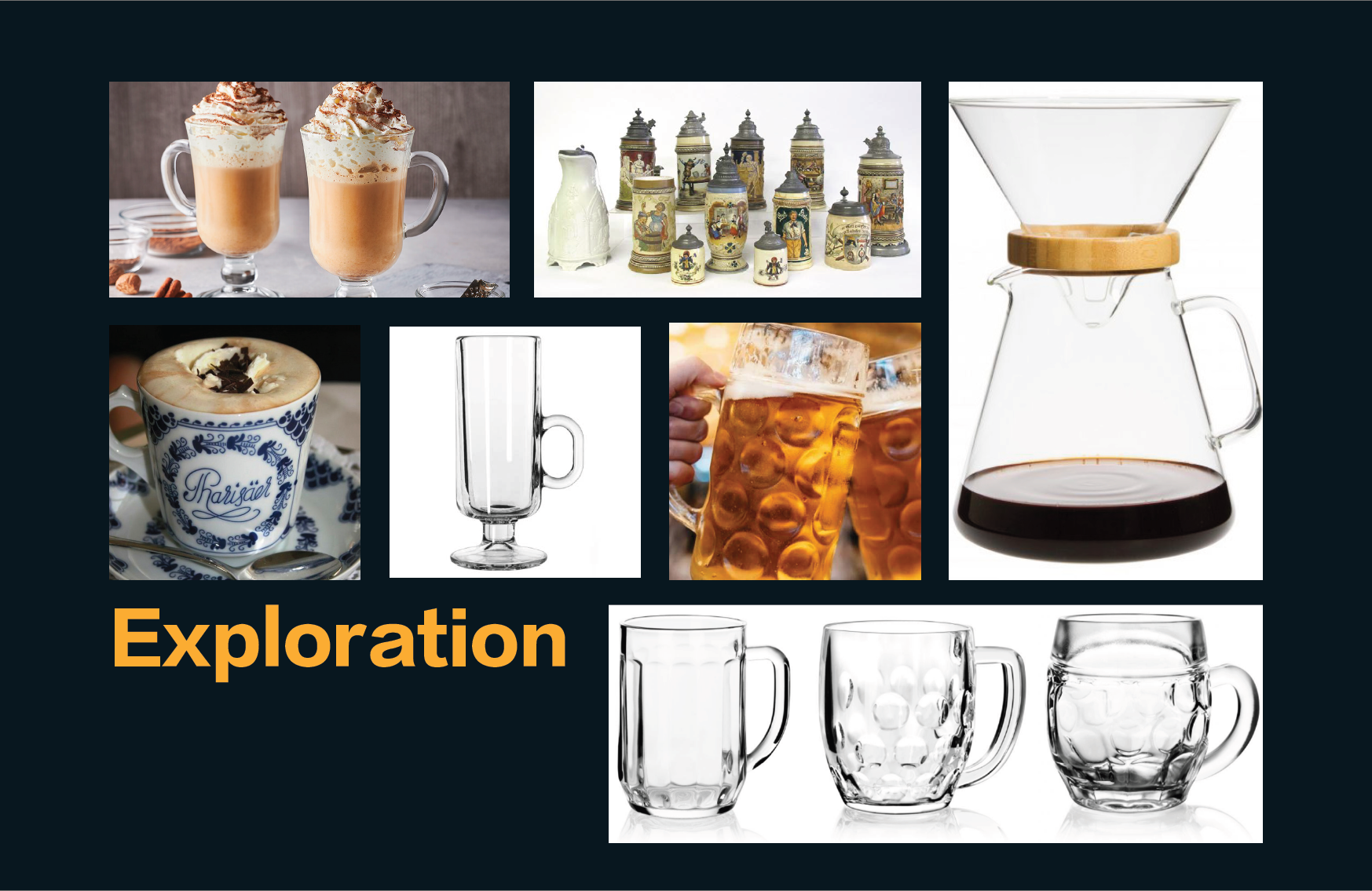
Pharisäer Kaffee: Cultural Coffee Ritual Design
Student work, Fall 2022
This project explored German coffee culture, specifically the Pharisäer tradition of coffee with rum and whipped cream. The student conducted cultural research, explored flavor profiles, and designed a measuring/serving system that respects the ritual while allowing personalization.
Cultural research, user-centered design, form development, context analysis, visualization, material exploration, presentation design
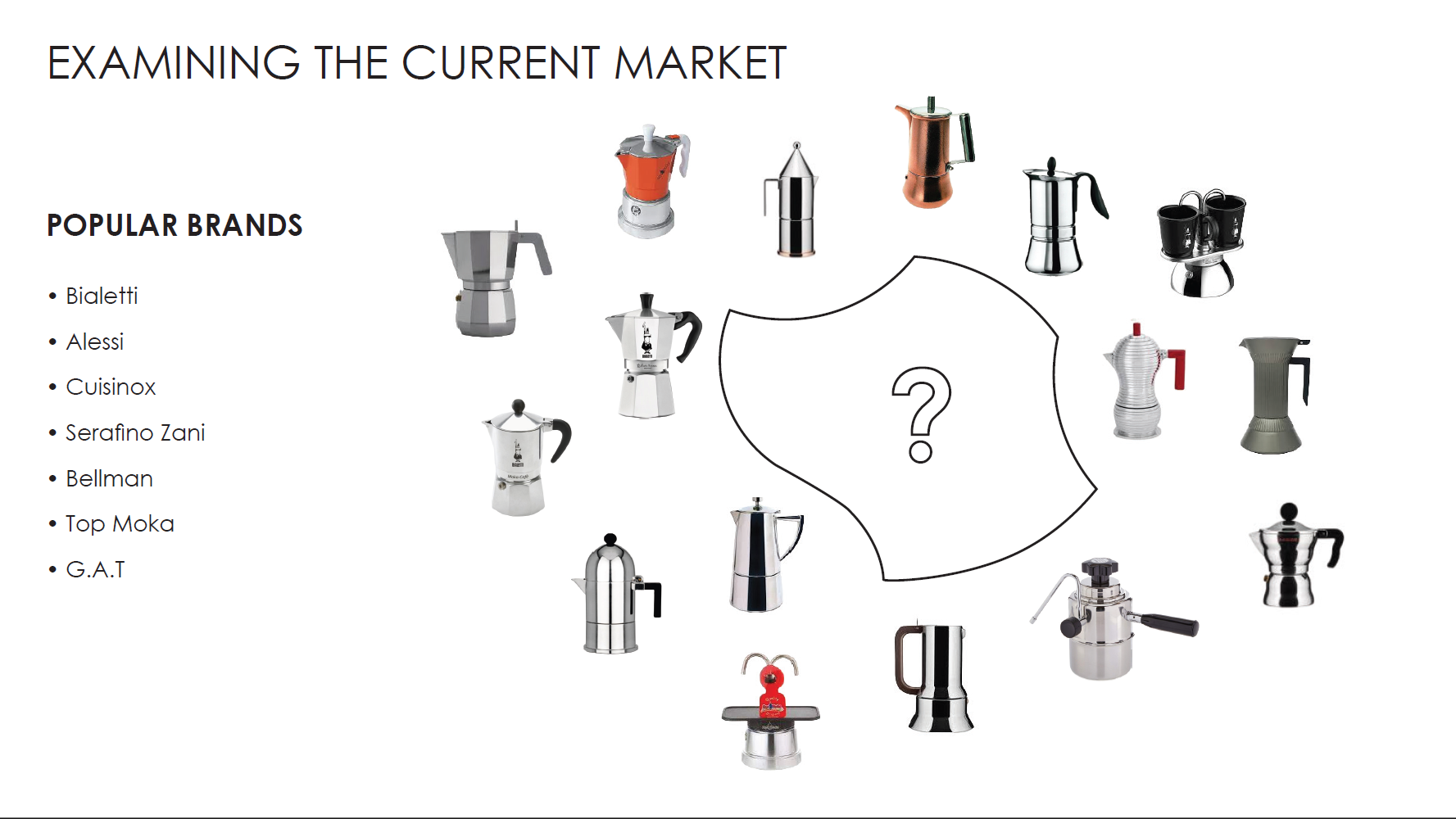
Futurista: Contemporary Moka Pot Design
Student work, Fall 2022
Redesign of the classic Italian moka pot inspired by Futurism, Russian Avant-Garde, and Memphis Design movements. The student analyzed the historical context of the original Bialetti design and reinterpreted it through contemporary aesthetic movements.
Historical research, aesthetic analysis, iterative physical modeling, CAD development, rendering techniques, material selection, form development
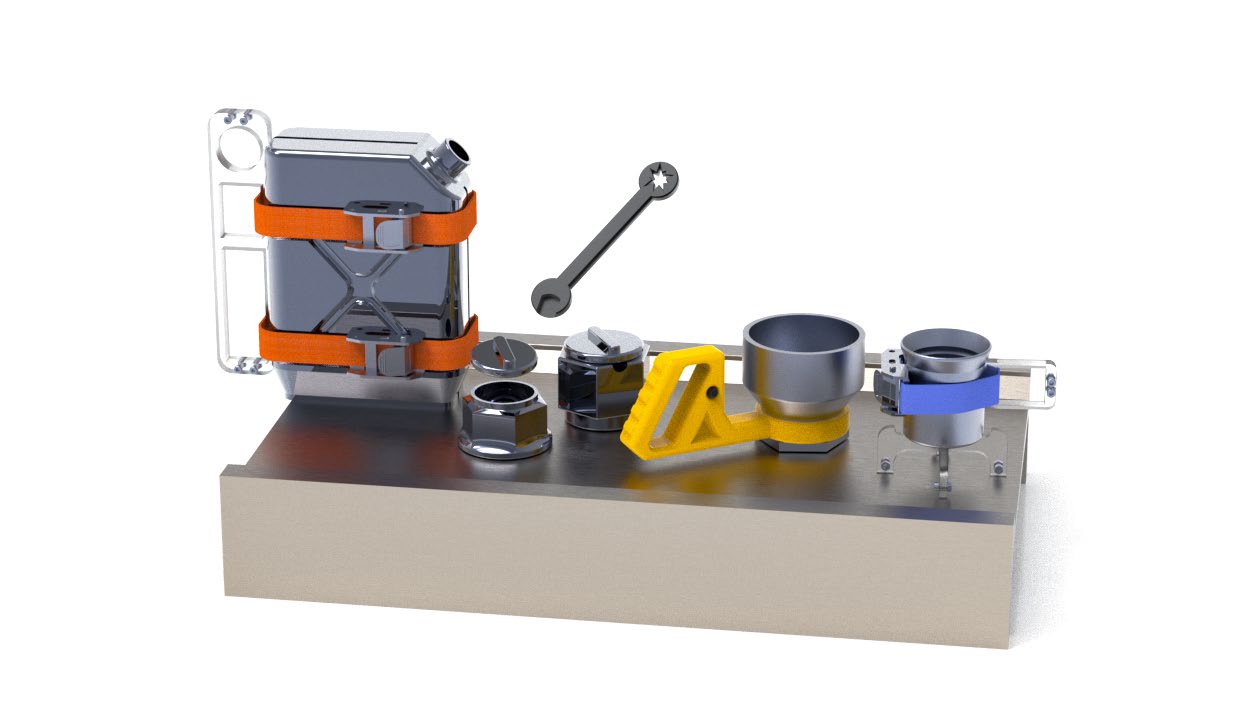
Industrial Coffee Brewer System
Student work, Fall 2022
Design of a commercial-grade coffee brewing system exploring industrial aesthetics and professional café environments. The student balanced functionality, durability, and brand expression for high-volume service contexts.
User context analysis, technical requirements, material specification, CAD modeling, professional rendering, brand development
02
INDL 2011: Industrial Design Studio 3
Power Operated Handheld Device Project
Students designed a power-operated handheld tool for a specific user and task, employing a multi-phase user-centered design process. The project emphasized deep technical understanding of electrical components, materials, manufacturing processes, and iterative physical prototyping.
My teaching focus emphasized immersive user research, task analysis, and iterative foam modeling as critical steps in developing human-centered handheld tools. Students learned to balance functional requirements, ergonomics, brand language, and aesthetic execution.
Course Information
Student Learning Outcomes
- Employ basic analytical design research methodologies including user immersion and task analysis
- Manipulate three-dimensional form to communicate desired messages and functions
- Select appropriate materials and manufacturing processes based on research and testing
- Synthesize design development into clear, professional presentations
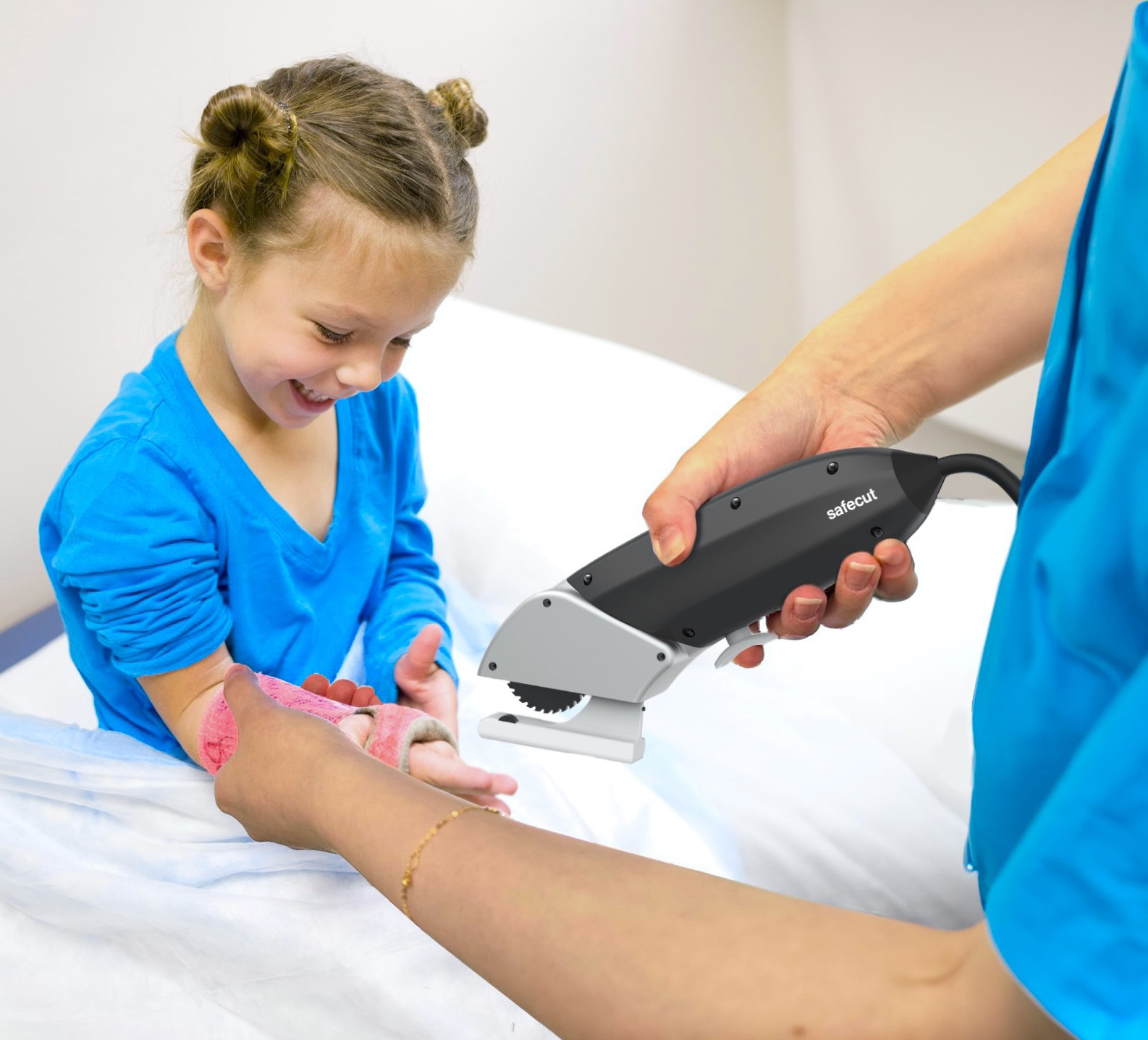
Medical Cast Saw: Ergonomic Redesign
Student work, Summer 2023
Design of a medical cast saw for orthopedic applications developed through extensive user research with medical professionals. The student conducted immersion experiences in clinical settings, analyzed cutting tasks and safety requirements, and created multiple foam iterations to optimize grip comfort and control for precision work.
Clinical user research, task analysis, safety-focused ergonomic development, foam modeling iteration, CAD development, professional rendering, medical device constraints
Wet Sander: Tool Redesign for Marine Applications
Student work, Summer 2023
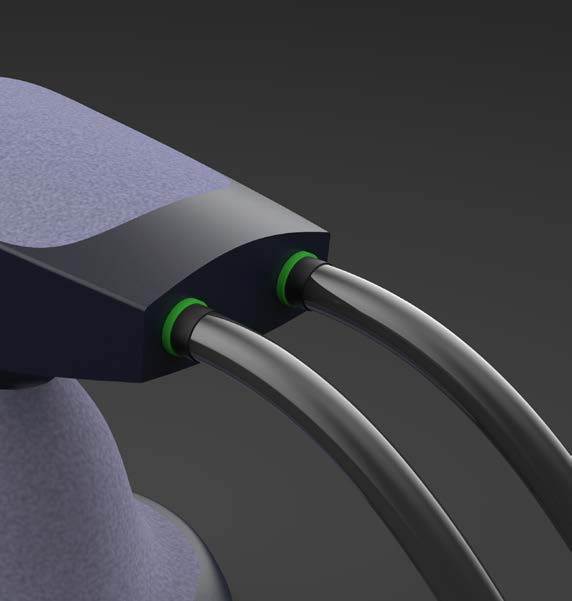
Design of a wet sander for marine and automotive refinishing applications. Through iterative foam modeling, the student refined grip positions, weight balance, and control surfaces to accommodate wet environments and prolonged use.
Foam sculpting (cabriole technique), ergonomic refinement, form iteration, human factors analysis, brand coherence, CNC prototyping
Final CAD & Rendering: Professional Presentation
Student work, Summer 2023
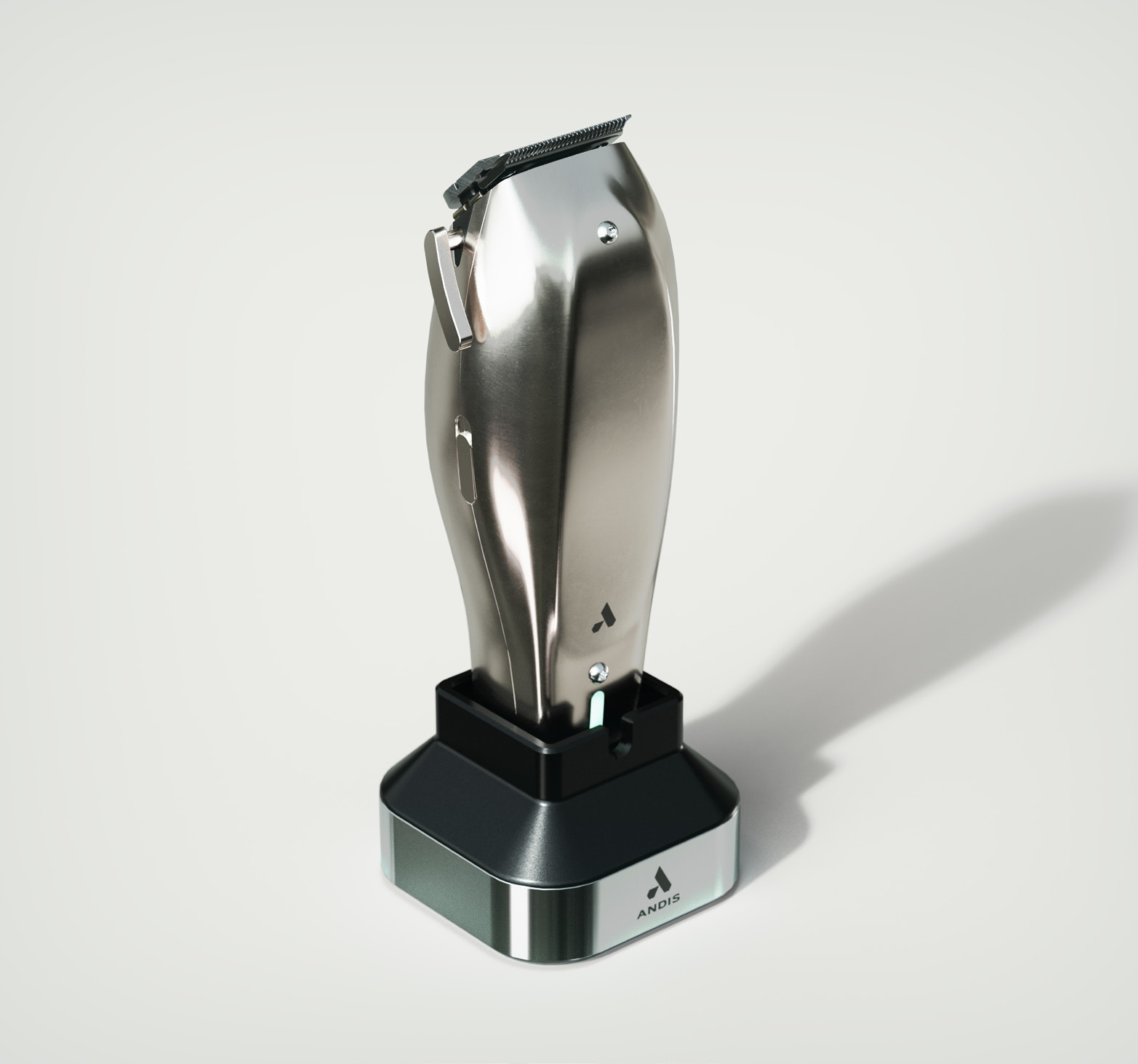
Final deliverables included detailed CAD models, high-quality renderings with exploded technical views, and comprehensive presentation boards. Students demonstrated mastery of professional communication and digital prototyping workflows.
Fusion360 CAD modeling, Keyshot rendering, technical illustration, exploded view diagrams, presentation board layout, professional documentation
03
Teaching Methodology
Double Diamond Framework
I structure projects using the Double Diamond process (Discover, Define, Develop, Deliver) to help students develop systematic approaches to design problems and understand divergent/convergent thinking.
Human-Centered Research
Students conduct immersion experiences, user interviews, and task analyses to ground design decisions in real user needs rather than assumptions. Research skills are emphasized as foundational to good design.
Iterative Making
Emphasis on multiple rounds of physical prototyping (foam models, CNC iterations) before finalizing designs. Students learn that iteration and refinement are essential to achieving excellence.
Design Critique Culture
Structured group critiques and individual desk crits emphasize constructive feedback and design discourse. Students develop the ability to articulate design decisions and receive feedback professionally.
Accessibility Focus
Integration of universal design principles and encouragement to consider who designs serve. Students learn to think critically about inclusion and equity in their design work.
Technical Skill Integration
CAD, rendering, digital fabrication, and presentation skills are developed throughout projects rather than taught in isolation. Students learn tools in context of real design problems.
Assessment & Student Outcomes
Evaluation Framework
I evaluate student work across four primary criteria:
- Functionality & Depth of Development: Effectiveness of design from a user-centered perspective. Evidence of thorough exploration of design options, problem solving, and concept iterations.
- Brand & Aesthetic Appeal: Application of brand language and appropriate aesthetic to all aspects of design.
- Communication: Clear conveyance of design thinking, ideation, and solutions in both 2D and 3D formats. Effective delivery of presentations.
- Craft & Professionalism: Excellence in craft and precision. Work completed on time, receptiveness to feedback, and overall professionalism.
Observed Student Growth
- Increased confidence in conducting user research
- Significant improvement in CAD and rendering skills
- Development of sophisticated design thinking
- Enhanced ability to articulate design decisions
- Growth in receiving and integrating feedback
- Production of portfolio-quality work
Supporting Materials
Complete course syllabi, project briefs, assessment rubrics, and additional student work examples are available upon request. These materials demonstrate my approach to course design, learning outcomes development, and alignment with DAAP's studio pedagogy.
Request Additional Materials